


How to choose and care for a Washable Rug


Why are Washable Rugs a good choice for most homes?
Which Rug size is right for my space?


What colour and pattern is best for me?
How do I wash and care for a Washable Rug?


Shop the Look
-
Roselle Silky Soft Washable Rug Rose Quartz 240x300cm
Regular price $499.00 Sale price $349.00Roselle Silky Soft Washable Rug Rose Quartz 240x300cm
Regular price $499.00 Sale price $349.00Roselle Silky Soft Washable Doormat Rose Quartz 60x90cm
Regular price $49.00 Sale price $34.00Roselle Silky Soft Washable Runner Rose Quartz 80x200cm
Regular price $119.00 Sale price $83.00 -
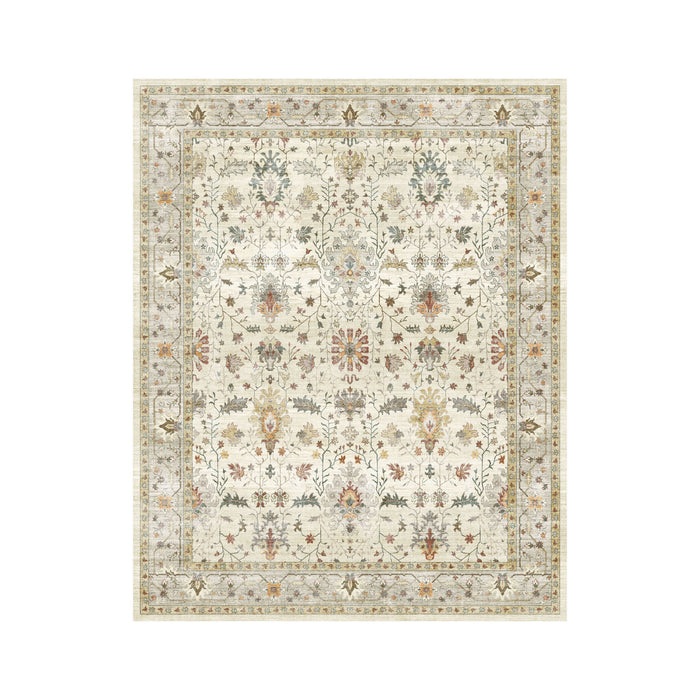
Noor Washable Rug 150x240cm
Regular price $249.00 Sale price $174.00Noor Washable Rug 150x240cm
Regular price $249.00 Sale price $174.00Noor Washable Doormat 60x90cm
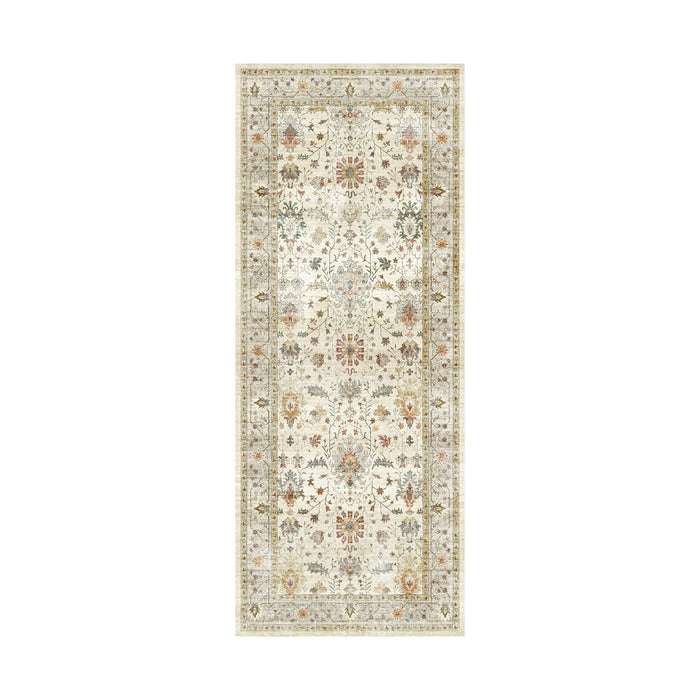
Regular price $49.00 Sale price $34.00Noor Washable Runner 80x200cm
Regular price $119.00 Sale price $83.00Noor Washable Rug 240x300cm
Regular price $499.00 Sale price $349.00 -
Tarot Nouveau Washable Rug 240x300cm
Regular price $499.00 Sale price $349.00Tarot Nouveau Washable Rug 240x300cm
Regular price $499.00 Sale price $349.00Tarot Nouveau Washable Doormat 60x90cm
Regular price $49.00 Sale price $34.00Tarot Nouveau Washable Runner 80x200cm
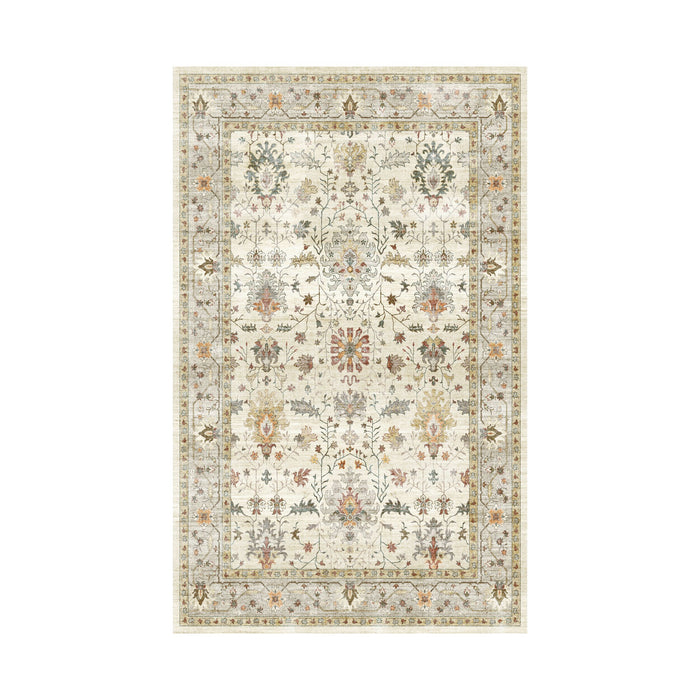
Regular price $119.00 Sale price $83.00Tarot Nouveau Washable Rug 150x240cm
Regular price $249.00 Sale price $174.00 -
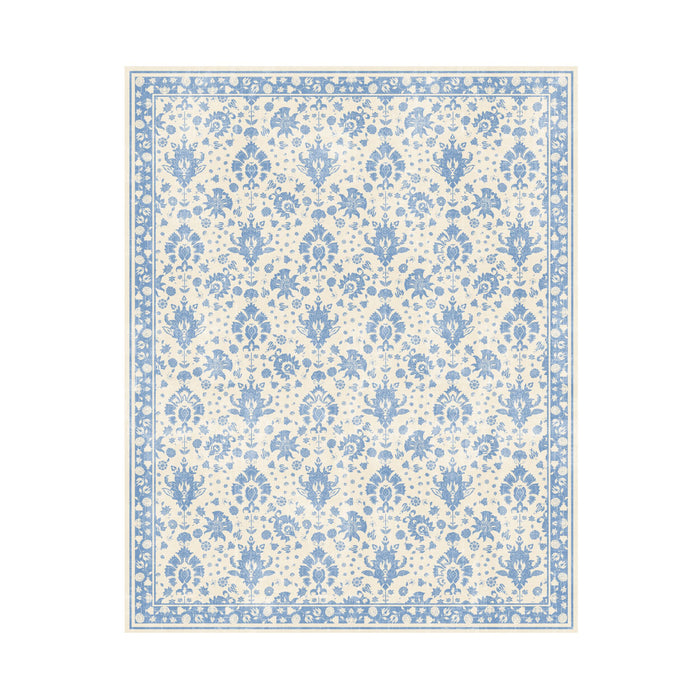
Prairie Silky Soft Washable Runner Sapphire 80x200cm
Regular price $119.00 Sale price $83.00Prairie Silky Soft Washable Runner Sapphire 80x200cm
Regular price $119.00 Sale price $83.00Prairie Silky Soft Washable Doormat Sapphire 60x90cm
Regular price $49.00 Sale price $34.00Prairie Silky Soft Washable Rug Sapphire 150x240cm
Regular price $249.00 Sale price $174.00Prairie Silky Soft Washable Rug Sapphire 240x300cm
Regular price $499.00 Sale price $299.00








Inspiration
Related Articles
-
What master bedroom ideas actually create a retreat?
Most master bedrooms in New Zealand and Australia do one job. They hold a bed and a doona nobody folds properly. That is not a retreat. A retreat has a mood. It has layers, a colour story that holds together, and furniture that earns its...
-
How do you care for leather furniture to keep it looking its best?
Leather furniture has a reputation for ageing beautifully, but that doesn't happen by accident. Like timber, natural fibres and other premium materials, leather benefits from regular care. A simple maintenance routine can help preserve its appearance, maintain comfort and support the longevity of your furniture...
-
What living room ideas make a space feel like yours?
There's a version of this article that just lists trending colours and tells you to buy a statement cushion. This isn't that. Living room ideas are everywhere right now; Pinterest, Instagram, every interiors blog from here to Copenhagen. The problem isn't a shortage of inspiration....
-
How do you decorate with pink furniture without making your home feel childish?
Pink furniture gets people nervous. That's the honest starting point. Not because the colour is actually difficult to use, but because most of us have a fixed mental image of what pink furniture looks like. Bubblegum. Gloss. A little girl's bedroom. The right pink is...
-
Why does every living room need both a coffee table and a side table?
It is a question we hear regularly in our stores and online: do you actually need both a coffee table and a side table, or will one do the job? Most living rooms have a coffee table. Fewer have a side table. And a surprising...
-
How do you choose the right coffee table for your living room?
It is one of the most common conversations we have in store: a customer who knows roughly what they want but cannot quite land on the right one. It sounds straightforward until you're standing in a showroom, or scrolling through 47 options online, and suddenly...
-
How to Create Better Feng Shui in Your Bedroom
A bedroom can have the right furniture and still not feel right. Most of the time, it comes down to where things sit. Feng Shui is the ancient Chinese practice of arranging your environment to support better energy flow. In a bedroom context, that means...
-
How to Choose the Right Rug for Every Room
Most people underestimate rug size. That's the honest truth about rug buying. They find a style they love, pick what feels like a reasonable size, and then stand back after it's down wondering why the room still feels off. The rug is too small. The...
-
Which Dining Chairs are right for your home? Timber vs Upholstered explained.
Most people don't agonise over a dining table. They walk in, find the right size, like the look of it, done. Dining chairs are the part that trips them up. It's usually somewhere around chair number three of the comparison that the doubt sets in....


