


-
Nero Arched 2 Door Cabinet
Regular price $1,699.00 Sale price $1,189.00Nero Arched 2 Door Cabinet
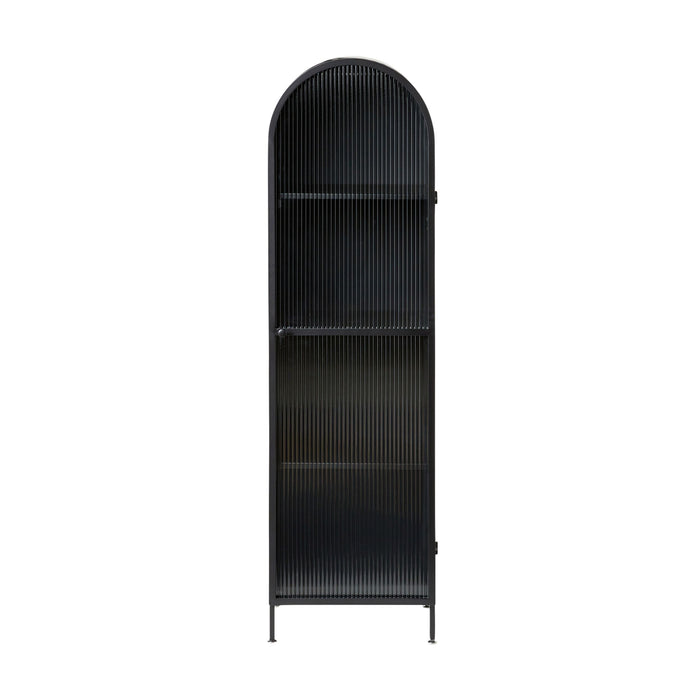
Regular price $1,699.00 Sale price $1,189.00Nero 1 Door Arched Display Cabinet 165 x 47cm Black
Regular price $899.00 Sale price $629.00 -
Nero 6 Door Display Cabinet 135 x 40 x 160cm Black
Regular price $2,199.00 Sale price $1,539.00Nero 6 Door Display Cabinet 135 x 40 x 160cm Black
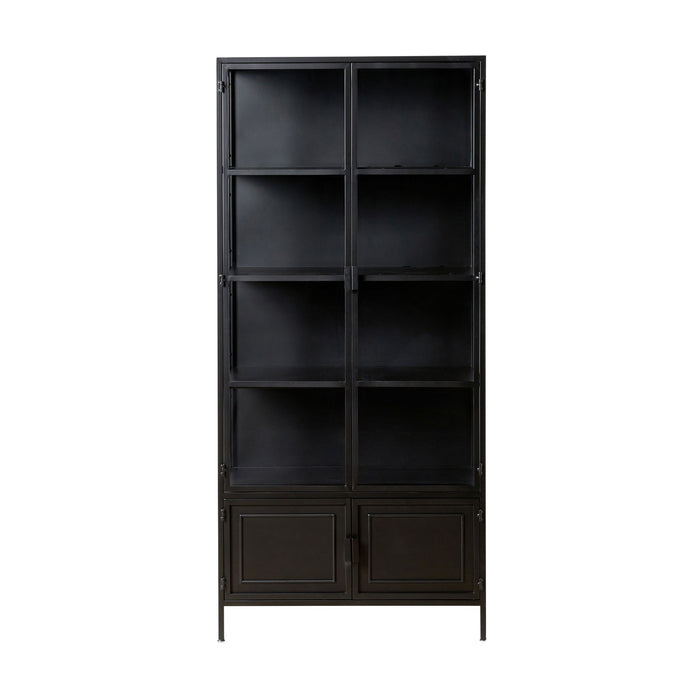
Regular price $2,199.00 Sale price $1,539.00Nero 4 Door Display Cabinet 201 x 92cm Black
Regular price $1,899.00 Sale price $1,329.00 -
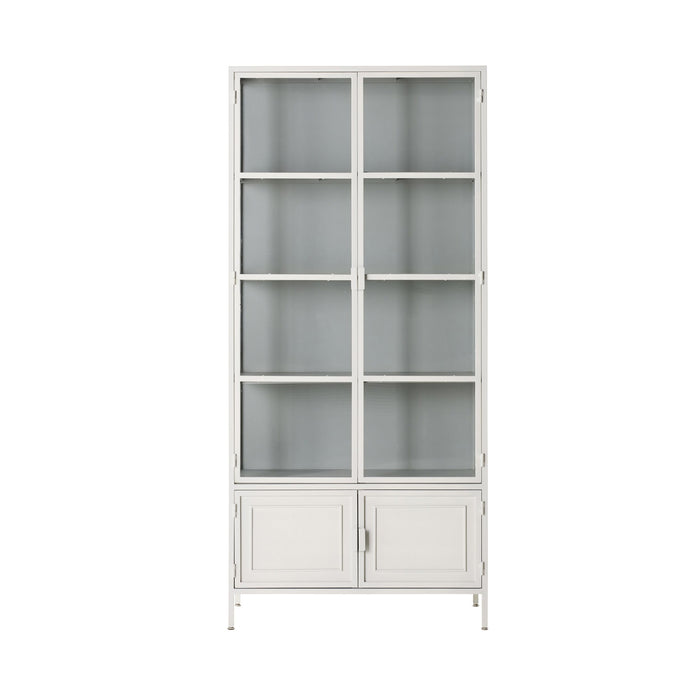
Nero 4 Door Display Cabinet 201 x 92cm White & Grey
Regular price $1,899.00 Sale price $1,329.00Nero 4 Door Display Cabinet 201 x 92cm White & Grey
Regular price $1,899.00 Sale price $1,329.00Nero 6 Door Display Cabinet 135 x 40 x 160cm White & Grey
Regular price $2,199.00 Sale price $1,539.00 -
Nero 1 Door Arched Display Cabinet 165 x 47cm Black
Regular price $899.00 Sale price $629.00Nero 1 Door Arched Display Cabinet 165 x 47cm Black
Regular price $899.00 Sale price $629.00Nero Arched 2 Door Cabinet
Regular price $1,699.00 Sale price $1,189.00 -
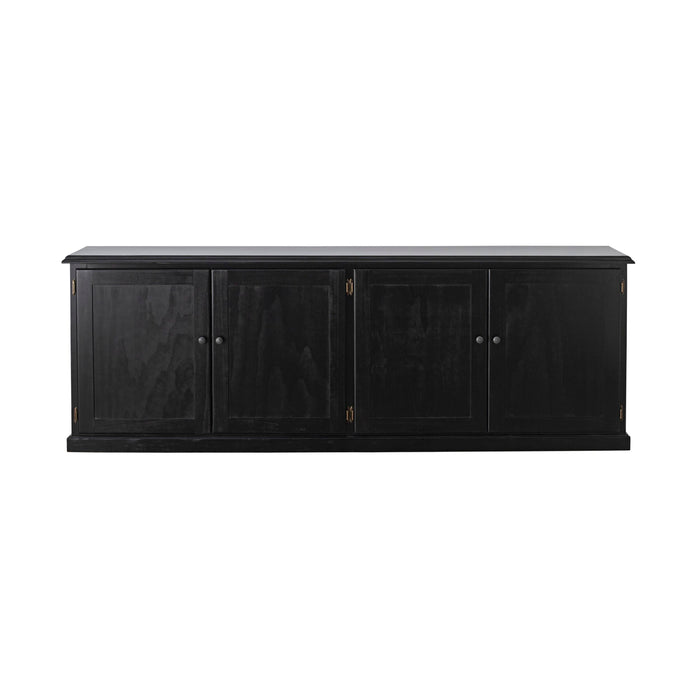
Nero 4 Door Display Cabinet 201 x 92cm Black
Regular price $1,899.00 Sale price $1,329.00Nero 4 Door Display Cabinet 201 x 92cm Black
Regular price $1,899.00 Sale price $1,329.00Nero 6 Door Display Cabinet 135 x 40 x 160cm Black
Regular price $2,199.00 Sale price $1,539.00 -
Serene Curved Two Door Display Cabinet
Regular price $2,799.00 Sale price $1,959.00 -
Nala Display Cabinet 90x210cm
Regular price $2,599.00 Sale price $1,819.00 -
Sansha 2 Door & 2 Drawer Display Cabinet Dove Grey & White
Regular price $3,499.00 Sale price $2,449.00 -
Serene Curved Display Cabinet Natural
Regular price $2,799.00 Sale price $1,959.00 -
Nero 6 Door Display Cabinet 135 x 40 x 160cm White & Grey
Regular price $2,199.00 Sale price $1,539.00Nero 6 Door Display Cabinet 135 x 40 x 160cm White & Grey
Regular price $2,199.00 Sale price $1,539.00Nero 4 Door Display Cabinet 201 x 92cm White & Grey
Regular price $1,899.00 Sale price $1,329.00 -
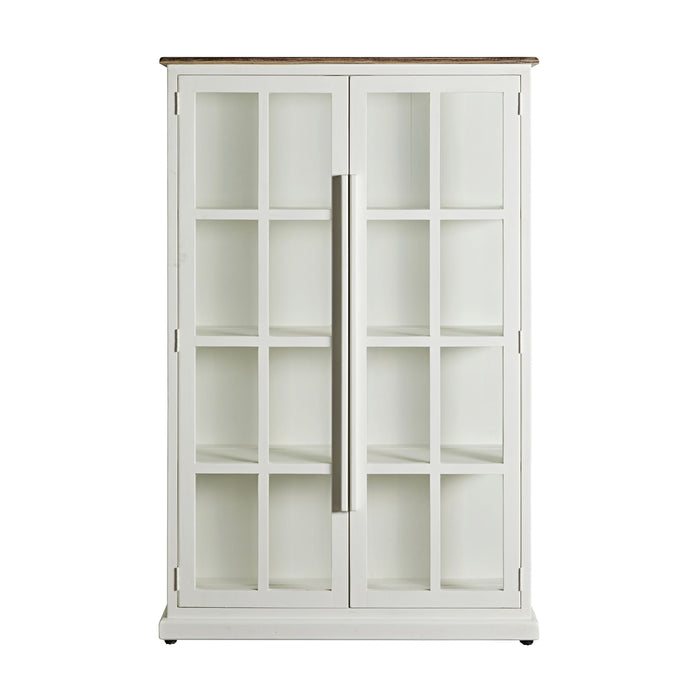
Maldon 2 Door Display Cabinet
Regular price $1,699.00 Sale price $1,189.00Maldon 2 Door Display Cabinet
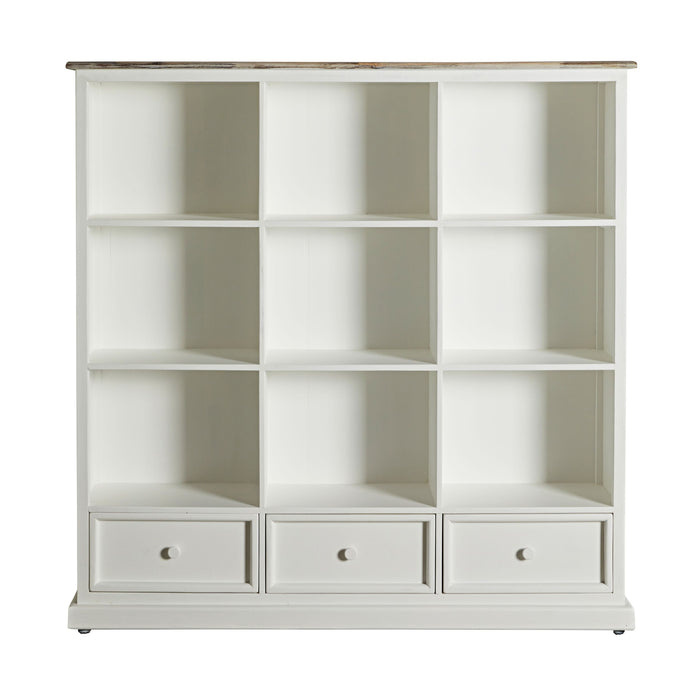
Regular price $1,699.00 Sale price $1,189.00Maldon 3 Drawer Bookcase
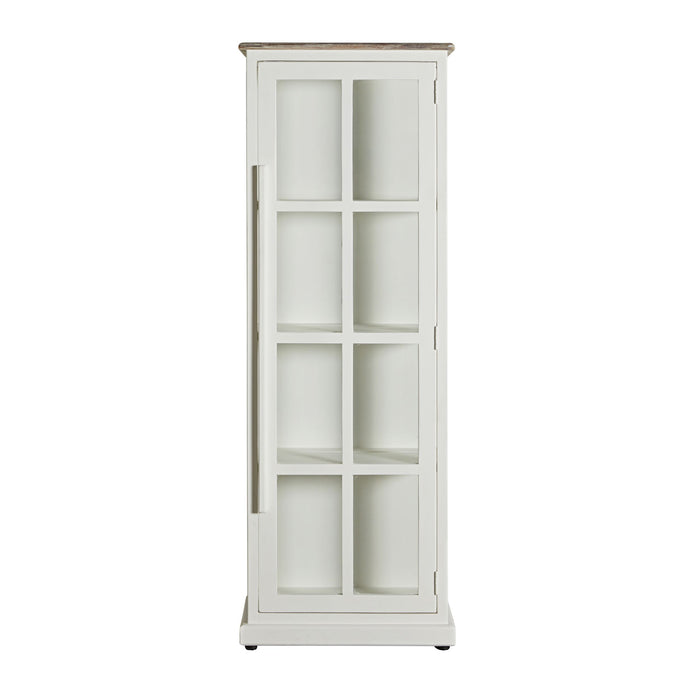
Regular price $1,399.00 Sale price $979.00Maldon 1 Door Display Cabinet
Regular price $1,299.00 Sale price $909.00 -
Saige Display Cabinet 125 x 195 cm
Regular price $1,999.00 Sale price $1,399.00Saige Display Cabinet 125 x 195 cm
Regular price $1,999.00 Sale price $1,399.00Saige Display Cabinet 90 x 195cm
Regular price $1,599.00 Sale price $1,119.00 -
Camille 2 Door Display Cabinet Black
Regular price $2,799.00 Sale price $1,959.00 -
Clover Large 2 Door Display Cabinet 193 x 128
Regular price $1,899.00 Sale price $1,329.00 -
Vintage Trunk / Coffee Table Washed White
Regular price $999.00 Sale price $699.00 -
Armand 4 door Display Cabinet Black with White Detail
Regular price $1,899.00 Sale price $1,329.00 -
Armand 4 door Library Base 240 x 83cm Black
Regular price $1,999.00 Sale price $1,399.00 -
Karli Bookshelf W120 x D35 x H160cm
Regular price $999.00 Sale price $699.00Karli Bookshelf W120 x D35 x H160cm
Regular price $999.00 Sale price $699.00Karli Low Line Bookshelf 160cm
Regular price $999.00 Sale price $699.00 -
Armand 4 door Display Cabinet White with Grey Detail
Regular price $1,899.00 Sale price $1,329.00 -
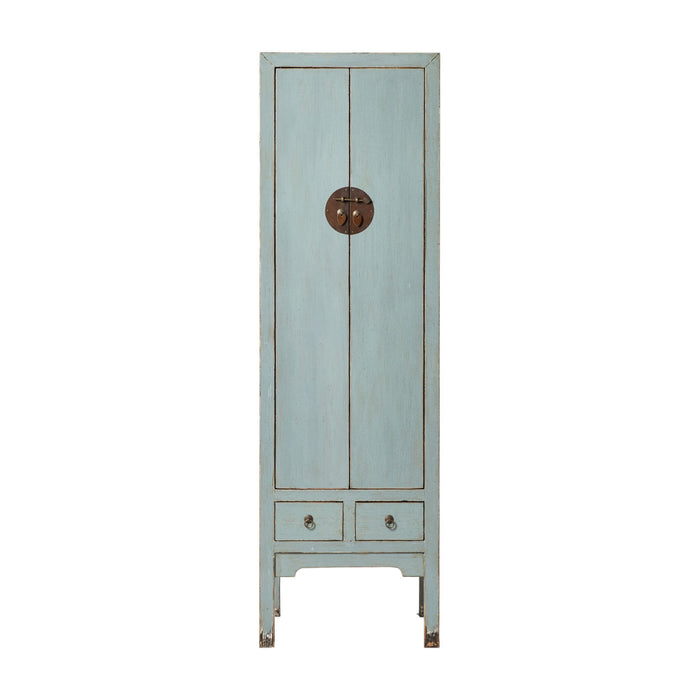
Sansha Narrow Wedding Cabinet Dove Grey
Regular price $1,999.00 Sale price $1,399.00 -
Maldon 3 Drawer Bookcase
Regular price $1,399.00 Sale price $979.00Maldon 3 Drawer Bookcase
Regular price $1,399.00 Sale price $979.00Maldon 2 Door Display Cabinet
Regular price $1,699.00 Sale price $1,189.00Maldon 1 Door Display Cabinet
Regular price $1,299.00 Sale price $909.00 -
Jasper Solid Oak Low Bookshelf
Regular price $999.00 Sale price $699.00 -
Sansha Narrow Wedding Cabinet Sage Green
Regular price $1,999.00 Sale price $1,399.00 -
Oakdale 2 Door Display Cabinet 165 x 100cm
Regular price $1,799.00 Sale price $1,259.00 -
Maldon 1 Door Display Cabinet
Regular price $1,299.00 Sale price $909.00Maldon 1 Door Display Cabinet
Regular price $1,299.00 Sale price $909.00Maldon 3 Drawer Bookcase
Regular price $1,399.00 Sale price $979.00Maldon 2 Door Display Cabinet
Regular price $1,699.00 Sale price $1,189.00 -
Karli Display Cabinet W120 x H185 cm
Regular price $2,799.00 Sale price $1,959.00 -
Sansha Wedding Cabinet Dove Grey
Regular price $2,799.00 Sale price $1,959.00Sansha Wedding Cabinet Dove Grey
Regular price $2,799.00 Sale price $1,959.00Sansha Narrow Wedding Cabinet Dove Grey
Regular price $1,999.00 Sale price $1,399.00 -
Sansha Wedding Cabinet Sage Green
Regular price $2,799.00 Sale price $1,959.00Sansha Wedding Cabinet Sage Green
Regular price $2,799.00 Sale price $1,959.00Sansha Narrow Wedding Cabinet Sage Green
Regular price $1,999.00 Sale price $1,399.00 -
Sansha Narrow Wedding Cabinet Blush Pink
Regular price $1,999.00 Sale price $1,399.00 -
Saige Display Cabinet 90 x 195cm
Regular price $1,599.00 Sale price $1,119.00Saige Display Cabinet 90 x 195cm
Regular price $1,599.00 Sale price $1,119.00Saige Display Cabinet 125 x 195 cm
Regular price $1,999.00 Sale price $1,399.00 -
Camille 2 Door Display Cabinet White 91.5 x 240.5cm
Regular price $2,799.00 Sale price $1,959.00 -
Sansha Wedding Cabinet Turquoise
Regular price $2,799.00 Sale price $1,959.00















Showing 32 of 33 products
No products found.
Display Cabinets for Collections Worth Showing Off
Display Cabinets for Collections Worth Showing Off
Some pieces are too loved to live in the back of a cupboard. Early Settler’s display cabinets give treasured keepsakes, heirlooms and everyday favourites a proper place to be seen, remembered and enjoyed. These warm, practical storage solutions help turn the things you have gathered over time into part of the home you love living in, instead of something quietly tucked away.
What is a display cabinet?
A display cabinet is a furniture piece that keeps treasured objects visible, protected and thoughtfully placed in the home. Unlike a sideboard, which is usually closed and storage-focused, or a bookcase, which is open and book-oriented, it works more like a display case.
Forty years of helping New Zealander families furnish real rooms has shown us why display cabinets matter. We see them give collections a proper home in a living space or dining room. Glass-front, arched, grid-panel and open-shelf designs each do this differently, often with glass doors that keep favourites easy to admire.
Display cabinet types to suit every home
Because our range is developed by an in-house design team in Melbourne, each display unit is shaped around a specific home aesthetic and how New Zealanders use their spaces. The best display cabinet type depends on what you want to show, where it will sit and how much visual presence the room can carry.
Whether you want a statement piece or something that quietly complements the room, different styles suit different spaces:
-
Arched or curved-top cabinets bring a softer, architectural feel. Best for Hamptons or European-influenced interiors, they help create an elegant focal point without overwhelming the room.
-
Grid-glass front cabinets offer clean lines and visual structure. They are best for contemporary or industrial spaces where a display unit can add character while maintaining a modern look.
-
Painted timber with glass panels has a timeless appeal. Best for coastal or heritage interiors, they balance display and storage cabinet functionality with classic charm.
-
Open-shelf styles feel relaxed and approachable. Best for casual living areas, they work much like bookshelves, making favourite pieces easy to reach and enjoy.
-
Narrow sculptural styles are designed for tighter footprints. Best for hallways, bedrooms or smaller rooms, they provide display shelf space where a wall cabinet or shoe cabinet may not be the right fit.
What are the best materials for a display cabinet?
The best material for a display cabinet depends on where it will sit and what you want to display inside it. Solid timber, elm, oak and solid wood bring warmth, strength and the kind of character that settles in with everyday use. Glass display cabinets give ceramics, books and collected objects full visibility, while timber-and-glass combinations offer both protection and open display.
Early Settler’s reclaimed timber pieces are made from wood salvaged from historical structures. The tighter, denser grain gives reclaimed pieces lasting stability, while metal details can add strength and contrast.
How to choose the right display cabinet for your space
Start with three questions: what am I displaying, how much room do I have, and where will the cabinet live? A larger living room can carry a tall display case for vertical impact, while corner styles help awkward spaces and narrow cabinets suit hallways, bedrooms or compact rooms.
The right choice becomes clearer once you match the cabinet to the room:
-
Room placement – A dining room suits glass doors, glass shelves, adjustable shelves and a lockable section for ceramics or glassware.
-
Access level – Glass-door cabinets protect displayed objects from dust, while open shelves suit books and casual pieces.
- Room style – Contemporary, coastal and country-style rooms each need a cabinet shape that feels at home.
If scale or placement still feels uncertain, our in-store design consultants can help. The Settlers Start program can also build custom floor plans for your room.
How to style and arrange a display cabinet
Layering by height creates depth and draws the eye naturally from one object to the next. Place taller pieces toward the back, step smaller items forward, and leave breathing room so collectibles feel chosen rather than crowded.
Small shifts can make the cabinet feel settled with your living room furniture:
-
Vary the height. Taller objects at the back and horizontal books near the front create rhythm.
-
Mix textures. Ceramic, timber, glass and woven pieces bring warmth to each shelf.
-
Group loosely. Pairs and small clusters feel more natural than even rows.
-
Use LED lights. Soft internal lighting changes the atmosphere after dark.
Start with what you love to display
Your favourite pieces deserve a place where you can enjoy them every day, not just store them safely. Choose a cabinet with our 12-month warranty, then build out your storage with buffets and storage units.
You can shop display cabinets online with bookcases, shelving, trunks, hampers, and other living room storage for a more organised home. Visit 65+ showrooms across New Zealand, or join Home Club for 10% off full-price pieces and a $20 welcome reward.
However you gather, collect and arrange your home, there is something lovely about making room for the things that mean most.
FAQs
What can I put in a display cabinet?
Ceramics, books, framed photos, glassware and objects you have gathered over time are all natural candidates. A display cabinet works best when its contents reflect the person who lives there, rather than following a decorating formula.
Can a display cabinet work in a small room?
Narrow and corner styles are designed specifically for tighter spaces, so a compact room does not rule out a display cabinet. A slim profile placed in a corner or against a short wall adds depth and character without crowding the room.
How do I add lighting inside a display cabinet?
Battery-operated LED strip lights are the simplest option as they need no hardwiring. Fit them along the top inner edge so light falls evenly across the shelves. Warm white tones suit timber pieces best, while cool white works better with glass and ceramic collections.
How do I clean and care for a glass display cabinet?
Wipe glass panels with a lint-free cloth and a little glass cleaner, working from top to bottom so drips do not settle on lower shelves. For timber frames, a lightly damp cloth is enough for regular upkeep. Avoid harsh chemicals on either surface.