


What living room ideas make a space feel like yours?


What colours are working in living rooms right now?

How do you layer textures without making the room feel cluttered?

What furniture shapes worth buying right now?

How do you use a rug to pull a living room together?

What lighting actually changes how a living room feels?

How do you make a living room feel personal without overcomplicating it?


Shop the Look
-
Stitch 3 Seater Velvet Sofa Juniper Olive
Regular price $2,299.00 Sale price $1,599.00Stitch 3 Seater Velvet Sofa Juniper Olive
Regular price $2,299.00 Sale price $1,599.00Stitch Velvet Armchair Juniper Olive
Regular price $1,499.00 Sale price $999.00Stitch 2 Seater Velvet Sofa Juniper Olive
Regular price $1,899.00 Sale price $1,299.00Stitch 3 Seater Velvet Chaise RHF Juniper Olive
Regular price $3,899.00 Sale price $2,699.00Stitch 3 Seater Velvet Chaise LHF Juniper Olive
Regular price $3,799.00 Sale price $2,659.00 -
Bello Occasional Chair Aura Blush
Regular price $499.00 Sale price $349.00 -
Boden 3 Seater Sofa with Reversible Chaise Sorrento Olive
Regular price $2,399.00 Sale price $1,679.00Boden 3 Seater Sofa with Reversible Chaise Sorrento Olive
Regular price $2,399.00 Sale price $1,679.00Boden 2 Seater Sofa Sorrento Olive
Regular price $1,499.00 Sale price $999.00Boden Armchair Sorrento Olive
Regular price $999.00 Sale price $699.00 -
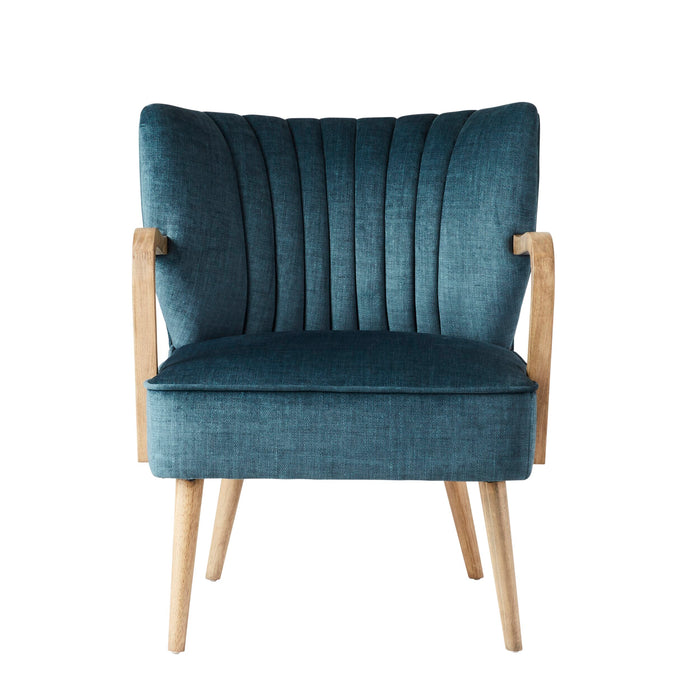
Bello Occasional Chair Luxe Aura Emerald
Regular price $499.00 Sale price $349.00




Inspiration
Related Articles
-
How do you care for leather furniture to keep it looking its best?
Leather furniture has a reputation for ageing beautifully, but that doesn't happen by accident. Like timber, natural fibres and other premium materials, leather benefits from regular care. A simple maintenance routine can help preserve its appearance, maintain comfort and support the longevity of your furniture...
-
How do you decorate with pink furniture without making your home feel childish?
Pink furniture gets people nervous. That's the honest starting point. Not because the colour is actually difficult to use, but because most of us have a fixed mental image of what pink furniture looks like. Bubblegum. Gloss. A little girl's bedroom. The right pink is...
-
Why does every living room need both a coffee table and a side table?
It is a question we hear regularly in our stores and online: do you actually need both a coffee table and a side table, or will one do the job? Most living rooms have a coffee table. Fewer have a side table. And a surprising...
-
How do you choose the right coffee table for your living room?
It is one of the most common conversations we have in store: a customer who knows roughly what they want but cannot quite land on the right one. It sounds straightforward until you're standing in a showroom, or scrolling through 47 options online, and suddenly...
-
How to choose and care for a Washable Rug
Most people don't regret buying a rug. They regret buying the wrong one.The one that showed every paw print by day two. The one that couldn't go near a washing machine. The one that looked great in a photo and spent three months being carefully...
-
How to Choose the Right Rug for Every Room
Most people underestimate rug size. That's the honest truth about rug buying. They find a style they love, pick what feels like a reasonable size, and then stand back after it's down wondering why the room still feels off. The rug is too small. The...
-
Timeless Teak Furniture: The Perfect Blend of Durability and Style
When it comes to furniture that can stand the test of time, teak is an exceptional choice. Known for its durability, beauty, and versatility, teak has become a popular option for both indoor and outdoor settings. Let's explore the timeless appeal of teak furniture, the...
-
Embrace Flexibility with Modular Sofas: The Ultimate Guide
Your living room is more than just a space to unwind; it’s where you gather with family and friends, share stories, and create lasting memories. Modular sofas offer unparalleled versatility, allowing you to tailor your seating arrangement to suit your lifestyle and preferences.
-
How to Choose the Perfect Sofa for Your Space
Choosing the right sofa is one of the most important decisions when furnishing your living space. It's more than just about aesthetics; it needs to suit your style, fit the room, and offer the comfort you're looking for. But with so many options—styles, configurations, and...


